















Arts organizations across Charlotte are facing a shifting landscape as national and local conversations around diversity, equity and inclusion (DEI) lead to changes in funding priorities. For many groups, these cuts are more than budget adjustments, they directly affect the visibility of the creative work being produced and the cultural spaces in the city.
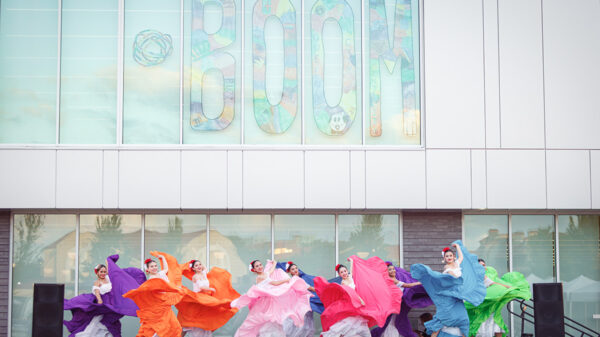
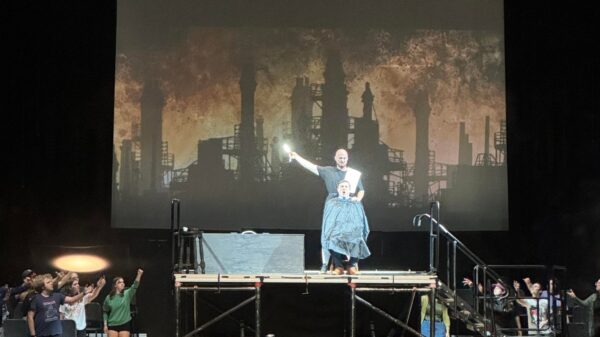
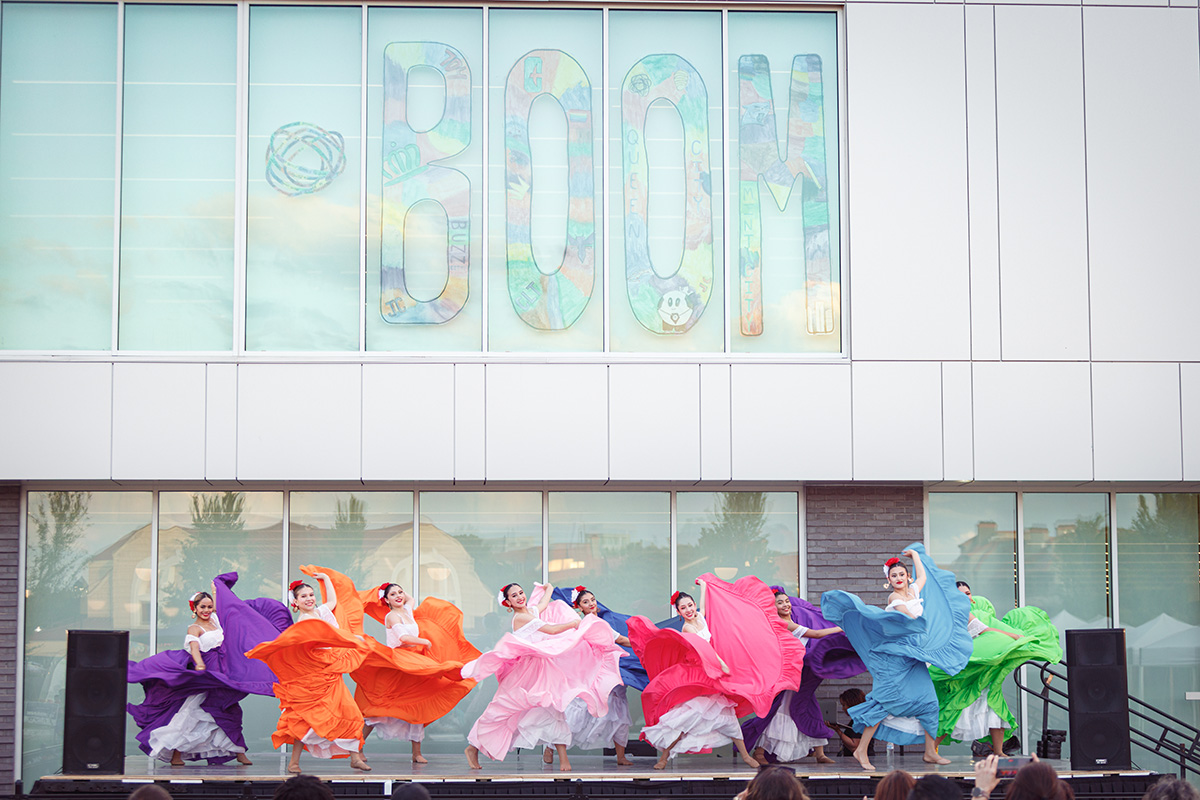
Founded in 2016, BOOM Charlotte has grown into one of the city’s largest creative gatherings, a platform built around experimental performance and community-centered art. Each spring, the festival brings together dancers, poets, musicians, visual artists and performers in a weekend long celebration of work.
From the beginning, BOOM’s mission has been tied to making space for underrepresented voices. The festival has had a strong presence within Charlotte’s Black arts community. As the festival grew, however, BOOM noticed gaps in representation. There were fewer Latino and Asian artists showcased on its stages, and that realization pushed organizers to strengthen their outreach and build deeper relationships within immigrant communities.
Since it has always been built around community, expanding that reach became a priority.
Organizers began working more intentionally with groups such as ourBRIDGE for Kids and Refugee Support Services to make sure families and artists from across the city felt welcome and included.
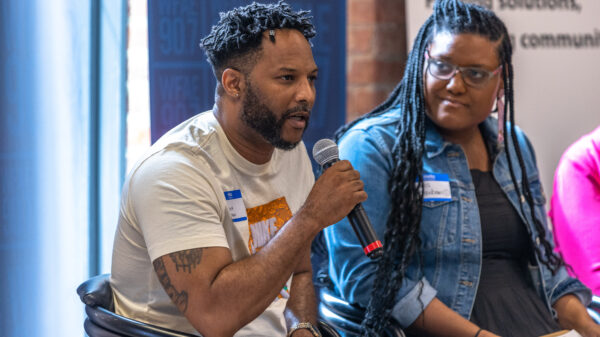
“I think BOOM creates spaces where for at least these three days, everyone can be there without having to code switch,” Manoj Kesavan, BOOM founder and executive director, said. “Only very few people have the privilege of not having to do that – so we try to create those spaces.”
For BOOM, grant funding has always been a core part of its financial structure. The organization previously received support from the National Endowment for the Arts, but recent layoffs and restructuring at the NEA have raised concerns about whether future grant cycles will be available or fully funded.
Because grants often operate on a delayed timeline, Kesavan said they do not yet know how these changes will affect next year’s budget.
On top of that uncertainty, BOOM has noticed a pullback from corporate partners. Some large Charlotte companies, including ones the organization previously engaged with, have scaled down or closed their DEI departments altogether.
While BOOM has never relied heavily on corporate sponsorships, many foundations and community funds are supported through them, meaning that when companies step back from DEI-related commitments, the impact carries across the entire ecosystem of arts funding.
“That will have a kind of a ripple effect even if you’re not getting direct funding from them,” Kesavan said.
In 2020, nationwide protests and conversations around racial justice pushed many institutions to publicly reassess their support for marginalized communities. For arts groups already serving those communities, it was a period of visible support.
During that time, BOOM saw its budget grow. Even though the festival was paused because of the pandemic, the organization received new grants and financial support from institutions that had never funded it before.
At the time, some funders seemed driven more by social momentum than long-term commitment to equity-based work. Now, without external pressure pushing companies and foundations to continue DEI initiatives, many of those opportunities have quietly disappeared.
“But then there are a lot of other entities who really want to keep supporting, but again, if they get any government funding, they’ll be in trouble. So, they cannot do that,” Kesavan said.
BOOM is working to maintain the values it was founded on. The organization has always centered artists first, and that commitment guides its financial choices.
For ticketed indoor shows, 75% of ticket revenue goes directly back to the artists. BOOM covers all associated costs, including venue fees, tech fees, equipment and production support.
While some larger festivals may offer artists a similar revenue split, many expect performers to cover their own venue rental, technical staff and equipment needs. BOOM’s decision to absorb those costs means that artists not only keep more of their earnings but can participate without worrying about those expenses.
BOOM launched with almost no budget. As funding grew, the organization committed to paying artists and never asking them to work for free.
Even now, as DEI-related cuts create new obstacles, BOOM continues prioritizing fair pay, equitable access and the belief that artists should be compensated for their labor.
BOOM continues to move forward as organizers are seeking new partnerships with community groups and local businesses.
“We are still a small organization. But we were able to come back post-pandemic, even bigger than before,” Kesavan said. “So, we’re hopeful that we’ll get through this, too.”
BOOM is preparing for its upcoming festival with the same focus that has guided it from the start, community first. While the financial picture is more complicated than in previous years, Kesavan said the mission remains rooted in supporting the local artists.
The future of DEI funding in the arts remains uncertain, but one thing is clear, the communities most impacted by these shifts are not stepping back. And at the center of that effort, BOOM continues working to remain a safe and expressive space for artists whose stories shape Charlotte’s identity.
Queens University News Service stories are prepared by students in the James L. Knight School of Communication with supervision and editing from faculty and staff. The James L. Knight School of Communication at Queens University of Charlotte provides the news service in support of local community news.
Shifting Ground is a reporting project from the Charlotte Journalism Collaborative. The series explores how federal policy and funding changes are impacting Charlotte residents, neighborhoods, and organizations — and how communities are responding.
Follow more stories at charlottejournalism.org/shiftingground and join the conversation at upcoming community events.