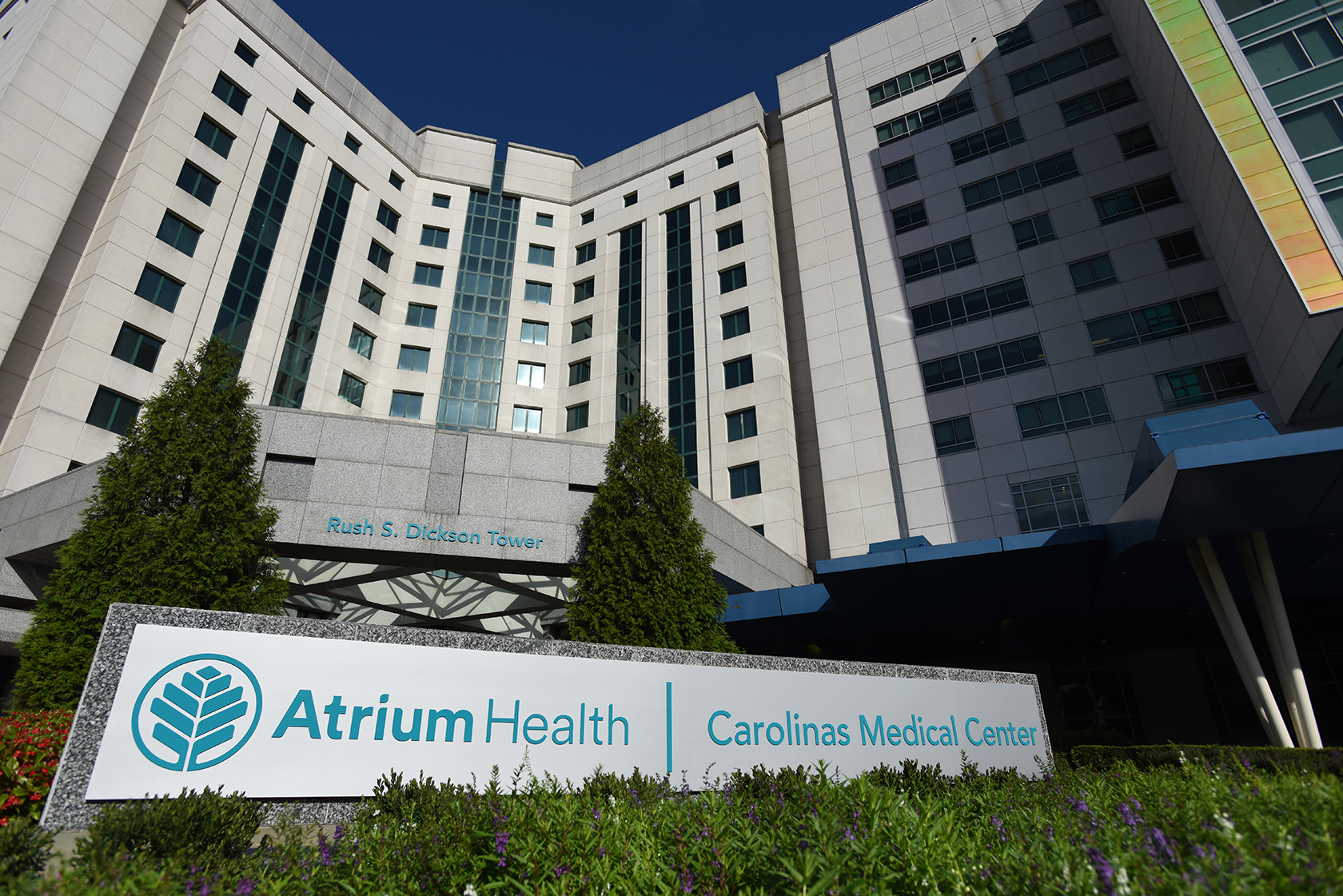
What began as a small hospital-based intervention effort has grown into a key piece of violence prevention work in Charlotte, with leaders now looking to expand its reach across the region. Project BOOST, housed within Atrium Health, has evolved significantly since it began in 2021, according to program manager Britney Brown.
Initially designed to support young victims of violence at the hospital bedside, the program has expanded its age range, staffing and long-term goals as it responds to patterns of injury and community need.
Project BOOST officially started seeing patients in 2022. At the time, it was just Brown and one intervention specialist, and they were focused on youth ages 14 to 24 years old.
The program’s early model centered on immediate response to violence. The intervention specialist would meet patients in the hospital after a violent injury and offer support, resources and connections during that critical window. Over time, they recognized gaps in who they were able to reach. A major turning point came with a $963,000 federal grant secured with support from U.S. Rep. Alma Adams. The funding allowed Project BOOST to hire an additional intervention specialist and expand its services. Today, the program serves patients ages 12 to 35 years old, with a growing emphasis on pediatric care.
“We started paying attention to who was coming into the hospital and why,” Brown said. “We noticed there was a large number of pediatric patients we were missing.”
By expanding to younger patients, the program has also widened its impact beyond individuals to include families and communities.
Brown said engaging youth earlier has shown promising results in shaping outcomes and preventing repeat injuries. Project BOOST defines success not just by immediate intervention, but by long-term connection. Staff work to link patients with therapy services, educational support and community organizations that can continue care after discharge, and they measure success by the connections and communication patients maintain.
Partnerships with local outreach groups, including violence interruption teams, have strengthened that continuum of care. Through “warm handoffs,” as Brown calls them, patients leaving the hospital are connected directly to community-based support systems, often staffed by people familiar with their neighborhoods and experiences.
“That connection in real time has been huge,” Brown said. “They’re seeing people who look like them and understand what they’ve been through.”
The program is also beginning to track progress in areas like education. Brown highlighted efforts to connect young participants with GED programs and high school completion resources as part of a broader strategy to address root causes of violence.
Still, challenges remain.
Project BOOST operates with limited staffing and does not yet have the capacity to reach every eligible patient. Brown noted that individuals treated and released within 24 hours are significantly more likely to return with another violent injury within a year if no intervention occurs.
“We’re always thinking about the patients we couldn’t catch,” she said.
To address those gaps, the program is exploring expansion into volunteer engagement and peer support. Brown said individuals with lived experience and survivors of violence could play a critical role in building trust with patients who may be hesitant to open up to a medical professional.
“We see the difference when a peer is involved,” she said. “They may be more responsive because they feel understood.”
Looking ahead, Project BOOST aims to shift from a primarily reactive model to one that includes prevention. That includes plans to increase visibility in schools, colleges and community events to educate young people about safety and resources before violence occurs.
“The unfortunate part is we’re interventionists; the injury has already happened,” Brown said. “The goal is to move into prevention.”
Long-term ambitions include placing violence intervention specialists in every hospital within the Atrium system in Charlotte and expanding to 24-hour coverage at current sites. Both goals would require additional funding and community support. Despite the demands of the work, Brown said the program continues to be grounded in a simple approach: building trust through human connection.
Intervention specialists begin by asking patients basic questions like how they are feeling and whether they have eaten. Instead of going headfirst focusing immediately on the trauma, the goal is to create a sense of comfort in an otherwise overwhelming hospital environment.
“We come in as a listening ear with no judgment,” Brown said. “That’s where it starts.”
As Project BOOST approaches its fifth year, its evolution reflects a broader shift in how communities address violence which is rooted in public health and requires sustained, relationship-based intervention.
For Brown, the vision is clear. “I would love for us to be a household name,” she said.
Project BOOST could quickly become a model for hospital-based violence intervention programs nationwide, realizing that early engagement, community connection and timely support can change the trajectory of a life.
Queens University News Service stories are prepared by students in the James L. Knight School of Communication with supervision and editing from faculty and staff. The James L. Knight School of Communication at Queens University of Charlotte provides the news service in support of local community news.