






















A Puerto Rican film played on two screens simultaneously. The house was sold out. For Giovanna Torres, that night cristalized everything she had been working towards.
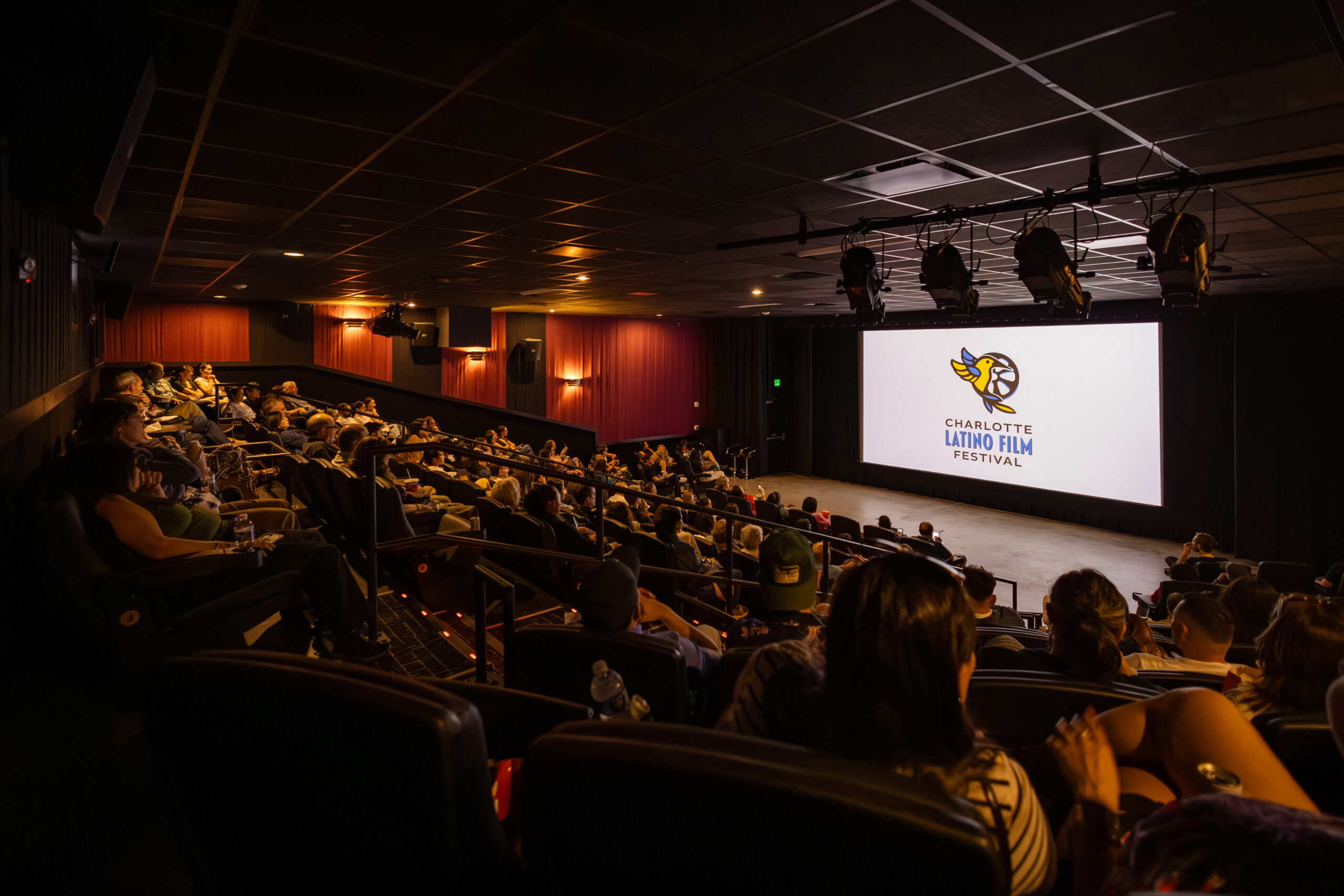
The Charlotte Latino Film Festival, now in its third year, wrapped its most ambitious edition yet with 13 feature films, two short films, and a closing night centered on the story of a beloved local bakery. The festival ran April 16-27 at the Independent Picture House.
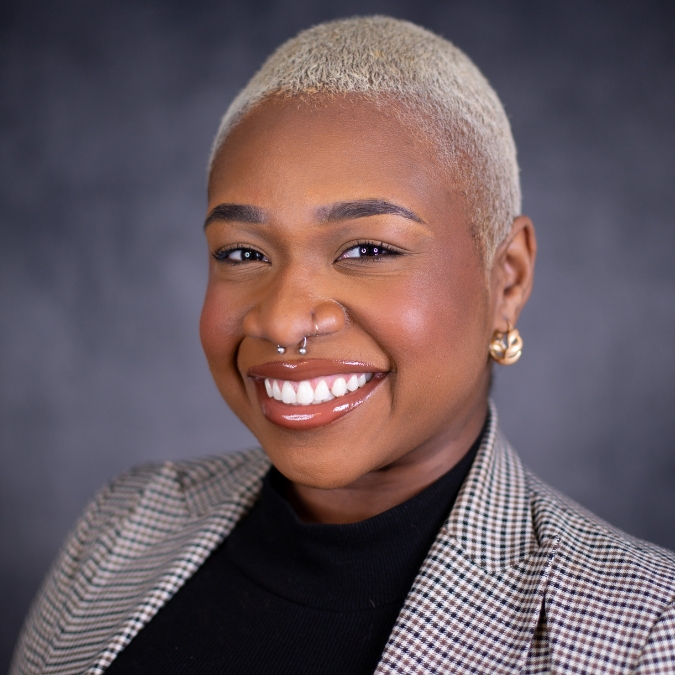
Torres, the festival’s co-founder and driving force, said this year’s attendance has already surpassed last year’s total, with the weekend still ongoing.
“This year, we’ve had more attendees than we had last year,” Torres said. “We’re building a community — or maybe fostering one.”
In January 2020, Torres launched a film series at Camp North End’s canteen space — a multipurpose room with a screen and projector. The first screening sold out.
“People stayed for conversation, then we had a party, and it was just a blast,” she said. “I was like, okay there seems to be a need for this.”
The series planned six screenings. COVID-19 cut it to four in March 2020. But Torres regrouped, ran three seasons of the film series, and transitioned the effort into a full festival in 2024.
The debut festival screened its first film at the newly opened Independent Picture House — a Puerto Rican feature on opening night, with two auditoriums running simultaneously.
“To be inaugurated with a Puerto Rican film, that’s a milestone for us,” Torres said. “Such a small nonprofit organization. And it says a lot about how Charlotte’s growing.”
This year’s festival carried the theme of “joyful resistance” — a thread Torres said emerged organically as she evaluated submissions.
“We’ve never had a theme for the festival before,” Torres said. “But as we were evaluating films this year, it seemed to pop up in every single one — the resilience of people, and the joy with which we confront things.”
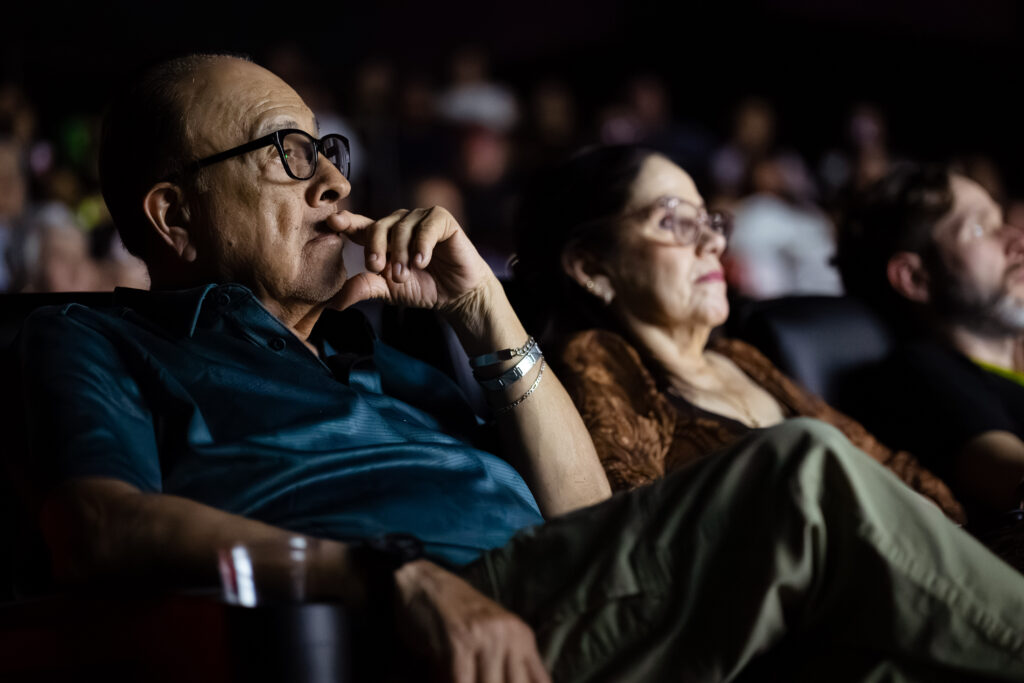
All 13 feature films screened with English subtitles. Torres has insisted on this practice since 2020, when journalists asked if the festival was only for Latino audiences.
“I know what it feels like to be excluded. We know what it feels like. But we don’t want to do the same,” she said.
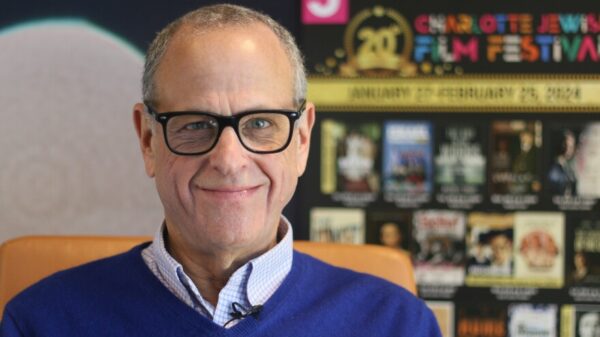
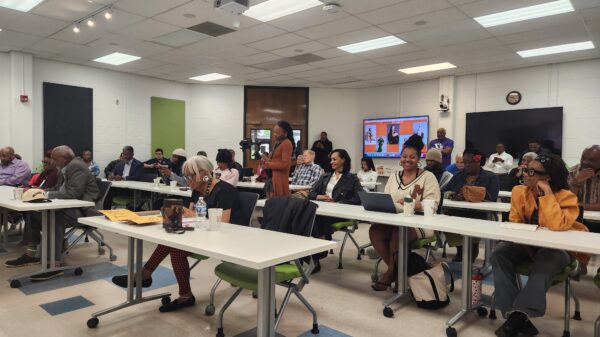
The festival closed Sunday with a short documentary on Manolo Betancur, owner of Manolo’s Bakery. The 16-minute film screened at its Charlotte premiere in January at the Carolina Theatre, which holds 900 people and sold out.
Torres called Betancourt a long-standing partner of the festival. He has provided food and support since the very first screening in January 2020.
The closing-night reception included tamales, croissants, iced coffee and a large celebration cake Betancur brought to mark the bakery’s 29th anniversary. He also participated in a Q&A conversation with attendees after the film.
All of that came with a $12 ticket, which is the festival’s standard admission price. Torres acknowledged the pricing leaves little room for revenue, but held firm on accessibility as a core principle.
“When it started in 2020, we were charging five dollars,” she said. “And I would have done it for free.”
The festival is one piece of a larger operation. Torres runs Cine Casual year-round, including a summer and fall outdoor screening program that takes equipment directly into predominantly Latino immigrant communities.
At a recent outdoor event at Lake Mist Apartments, Cine Casual paired a film with bilingual storytime for children, book giveaways from Promising Pages, and free popcorn.
“The idea is to break down financial and transportation barriers for communities,” Torres said.
This summer, Torres plans to launch a film animation camp for approximately 10 Latina middle or high school girls, in partnership with Despierta— a nonprofit founded by a social worker who survived domestic abuse and now provides wraparound services to young Latinas through Charlotte-Mecklenburg Schools.
The camp’s mentor is a first-generation Latina animator who graduated from UNC Charlotte and completed internships with Netflix. Over six weeks, the girls will develop a story, build characters, and work collaboratively to produce an animated short film — which Torres plans to premiere at next year’s festival.
“We’re going to invite the families, the girls, everyone,” Torres said. “I’m really excited about that one.”
Funding for the festival has come from arts grants — including the Arts & Science Council, Charlotte, the North Carolina Arts Council, the Ninth Foundation, and a City of Charlotte Creative Boost grant that funded this year’s festival. Torres said she launched her first fundraising campaign last fall, a $3,000 drive that succeeded, and plans to more actively ask the festival’s fan base to contribute.
She left her full-time job to focus on Cine Casual, which she co-runs with her husband — himself a Charlotte museum employee who volunteers his free time to the project.
“Put your money where your mouth is,” Torres said. “If you enjoy it and you want this to keep happening, you’ve got to support it. Especially now, with the way the world’s going.”
Three years of film series. Three years of festival. Torres said she hopes for many more.
“Of course,” she said. “That’s all I want.”
Queens University News Service stories are prepared by students in the James L. Knight School of Communication with supervision and editing from faculty and staff. The James L. Knight School of Communication at Queens University of Charlotte provides the news service in support of local community news.