Charlotte, North Carolina, a small, yet growing city in the South, has a surprisingly rich history when it comes to queer spaces. In 1968, a prominent venue emerged known as The Scorpio. A pioneer in queer spaces in terms of diversity and inclusivity, Scorpios is still in business today. With such a pillar still around, you would think queer spaces are valued and protected. Unfortunately, that is not the case.
For many members of the LGBTQ+ community, third spaces offer more than just a place to wind down and socialize. From coffee shops and recurring events to bars, these spaces provide opportunities for people to connect with their fellow community members outside of work and home. They allow for connections to be made, a place where people can be authentic, build friendships and find a sense of belonging.
But these spaces are becoming harder to find.
This issue is not exclusive to Charlotte. Even in major cities like New York, Los Angeles and Chicago, queer bars, community spaces and similar local venues have struggled in recent times. This can be attributed to rising costs, changing social habits and a growing reliance on social media as a substitute for in person gatherings.
Charlotte provides a unique perspective on this situation. In recent years the city has seen an influx of new patrons supporting and engaging with the community.
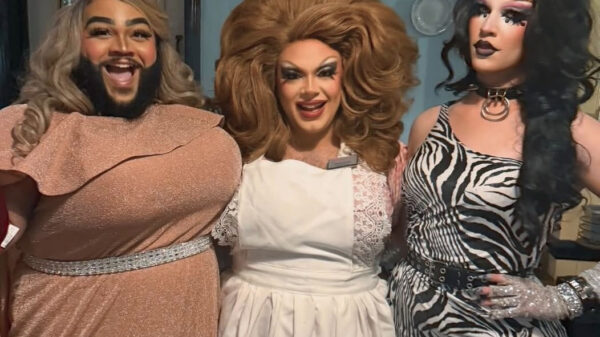
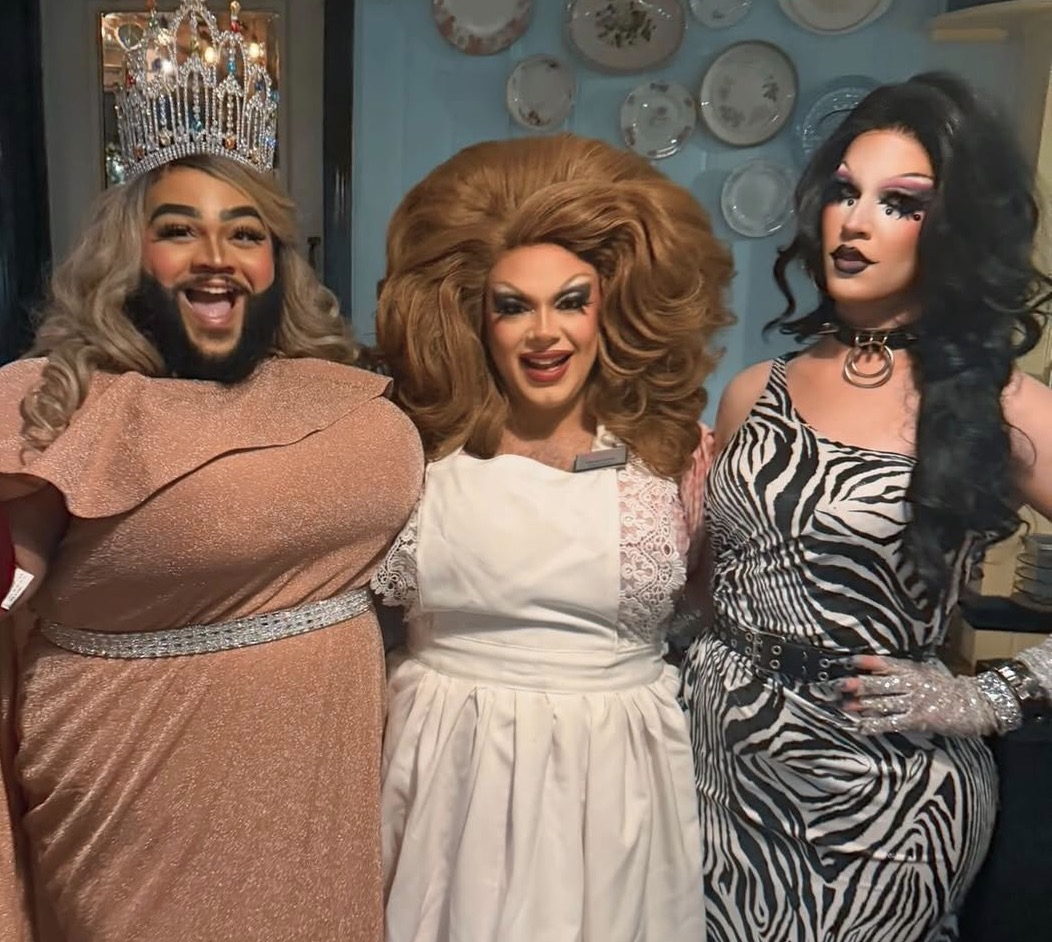
“People always say there are gay people in Charlotte, and they’re right,” said Venus Wyre, a drag performer and active community member, during a recent event at Bar Argon, a local gay bar. “The problem is these queer people don’t care about community anymore. It’s different when you can see everything through Instagram stories.”
Physical spaces play a pivotal role in any community’s success, Wyre said, because they create opportunities and connections that cannot be recreated online.
“People want community until it’s time to actually support the spaces creating it,” she said. “Everybody is sad when a bar is closing but not everybody was showing up when it was open.”
Her concerns accurately reflect the ideas shared by community members who have seen bars and clubs struggle and disappear. As an active participant in this sphere myself, I often hear from others and read online discourse on how the closure of queer spaces adds to the level of separation already felt in the community. Without common community spaces, people tend to stick to their smaller circles and in turn remain stagnant rather than building connections across different groups.
Fortunately, there are still event spaces that create opportunities for individuals to make a larger impact on the LGBTQ+ community and beyond. For example, the Charlotte Pride Drag Pageant crowns three drag artists every year to represent their corresponding groups. Those groups are masculine presenting entertainers, feminine presenting entertaining and gender non-conforming entertainers.
“The community has grown, which is a wonderful thing, but growth can sometimes create distance,” said O’Shea Mann, the current reigning Mx. Charlotte Pride. “Our different groups and varied interests cannot be heard without common gathering places. It becomes easier for people to become disconnected from one another.”
Both Mann and Wyre believe members of the LGBTQ+ community need to be held accountable for maintaining and growing these spaces. Charlotte perseveres through all the challenges it faces and continues to host pride celebrations, fundraisers and community events. But beyond those major events, finding ways to maintain connection in a city that is constantly changing requires strong leadership and active community participation.
This issue goes beyond nightlife. Third spaces can include bookstores, recreation groups and recurring social events. No matter the location, the purpose remains the same, to create opportunities to gather and build meaningful connections.
For people like Wyre and Mann, the conversation is about more than building businesses, it’s about preserving connections. These relationships have helped queer people over generations find acceptance, friendship and a sense of home. Whether those connections are built in bars or bookstores, the need for these spaces is as important as ever.
Queens University News Service stories are prepared by students in the James L. Knight School of Communication with supervision and editing from faculty and staff. The James L. Knight School of Communication at Queens University of Charlotte provides the news service in support of local community news.